
openai
Nov 7, 2026, 2:59 PM
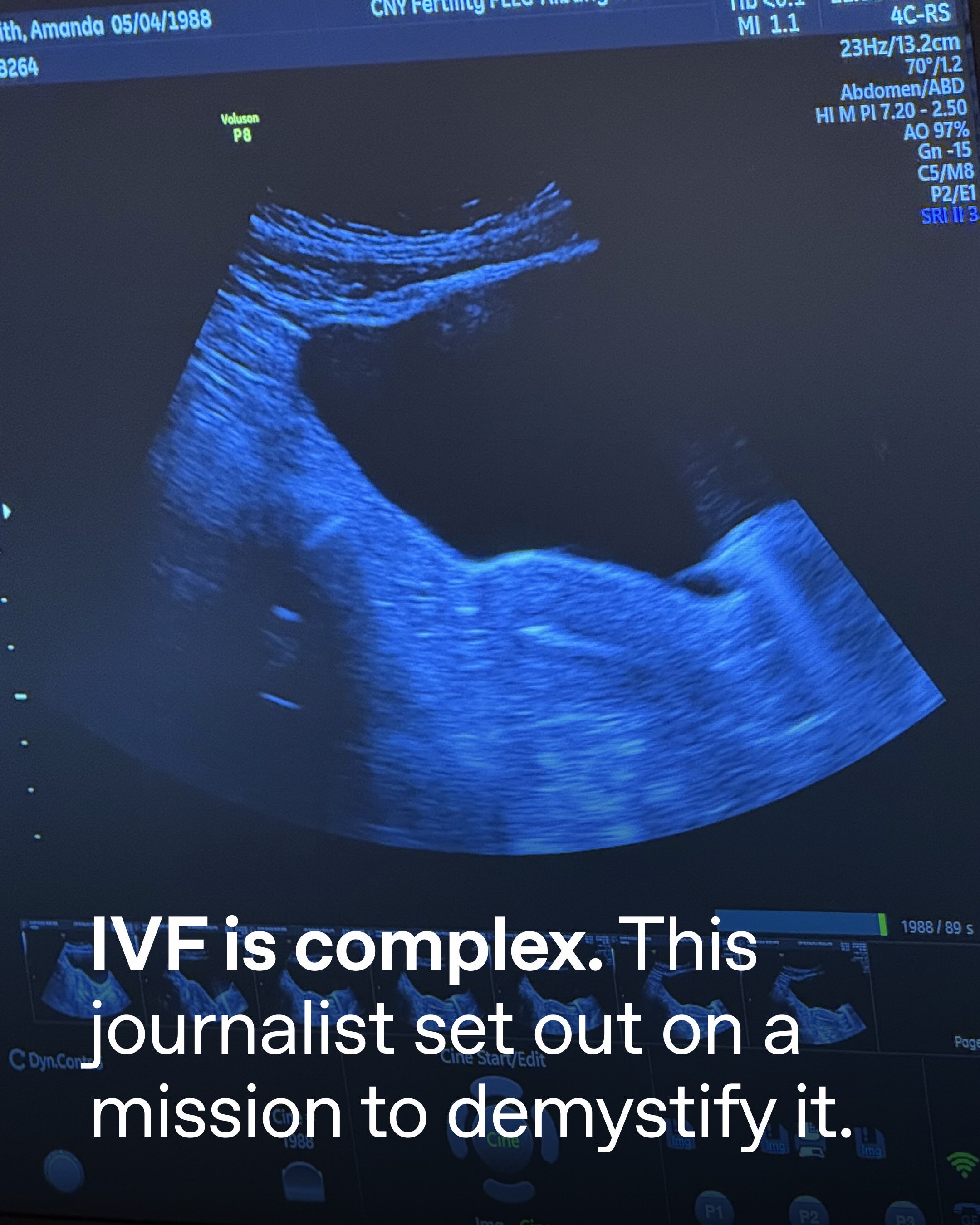
New York City-based journalist @amandasmith_writer wanted a baby, and concluded in vitro fertilization (IVF) was her best bet. But as anyone who has experienced this knows, IVF can be complex, taxing, and bring more questions than answers. 2024 marked the first year that over 100,000 babies were born via IVF in the US. Although the numbers are growing worldwide, and the public has an overall positive view of the process, Amanda still felt isolated and overwhelmed by its complexities. She found an unlikely ally in ChatGPT. Although she knew it could not replace a doctor’s medical advice or care, it helped her feel more informed and prepared throughout her journey. So she started asking it her questions—and she had a lot of questions about IVF: what can she expect based on her age and AMH? Also, what’s an AMH? (It’s an Anti-Mullerian Hormone, and has to do with her egg reserves.) She wanted to know more about egg/follicle ratios, implantation bleeding indicators, attrition and the IVF funnel. “It helped me make sense of all the acronyms, protocols, and medications,” Amanda says, “And how my cycle was progressing.” Amanda also hates math, so ChatGPT came in handy when she needed to make sense of all the numbers and scientific terms. She uploaded her cycle details and asked ChatGPT to analyze the protocol, science, and even calculate potential success rates. While she directed all the important medical questions to her clinic, in ChatGPT she found a helpful 24/7 tool that’s made a daunting process feel more manageable. If you’re interested, you can read Amanda’s article on CNET for more detailed prompts and analysis.